Insights
Why Some Students Struggle to Connect Even After Arriving
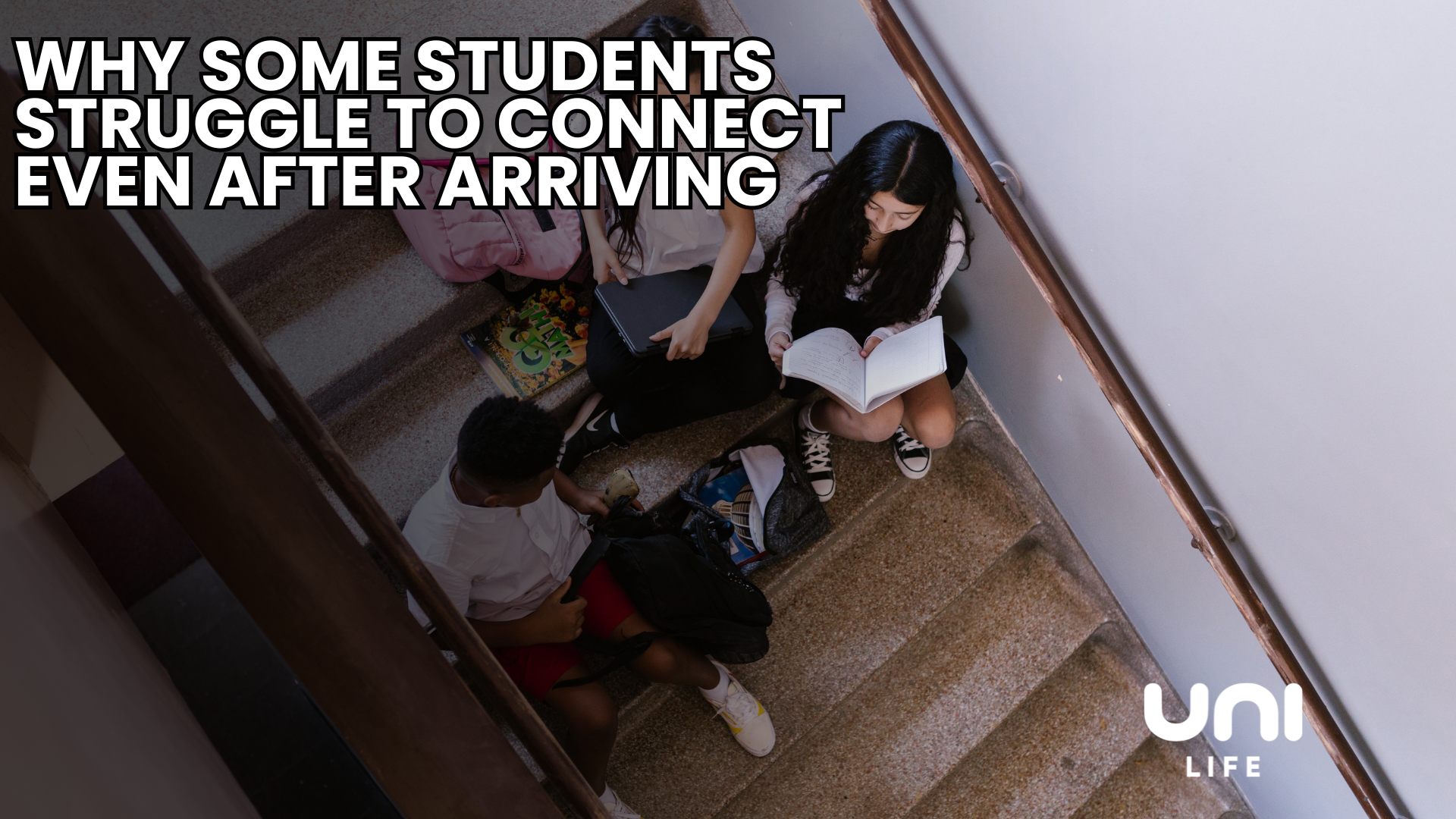
A student arrives on campus after months of anticipation.
They have already joined the university's online community. They know what accommodation they'll be staying in. They've spoken to future classmates, attended virtual events, and maybe even made a few friends before boarding the plane.
On paper, everything looks promising.
Yet a few weeks later, that same student is eating lunch alone, hesitating to join conversations, and wondering whether they truly belong.
This experience is more common than many institutions realise.
Universities have become increasingly effective at supporting students before arrival. Digital engagement strategies, online communities, ambassador programmes, and virtual events have helped bridge the gap between offer acceptance and enrolment. But while these initiatives create familiarity, familiarity does not always translate into confidence.
For some students, the real challenge begins after they arrive.
There is a tendency to view arrival as the finish line of the recruitment and onboarding journey. Once students have reached campus, attended orientation, and started classes, it can feel as though the transition has been successfully completed.
But belonging is rarely that straightforward.
Many students arrive feeling academically prepared yet socially uncertain. They know where to go, but not necessarily who to go with. They recognize faces from online conversations but still feel uncomfortable approaching them in person.
This gap between being present and feeling connected is what we might call ‘the social lag’.
The social lag is not a sign of failure. It is a natural adjustment period where students are learning how to translate digital relationships into real-world confidence.
Digital environments offer something that physical environments do not.
They provide time.
Students can observe before participating. They can think before responding. They can join conversations gradually and engage at a pace that feels comfortable.
Face-to-face interactions are different. Conversations happen instantly. Social cues become more complex. Cultural differences feel more visible. For international students, language barriers and unfamiliar social norms can make even simple interactions feel intimidating.
As a result, students who appeared highly engaged before arrival may suddenly become quieter after reaching campus.
Not because they are disengaged.
Because they are adjusting.
One of the biggest challenges with social lag is that it is difficult to spot.
A student can attend every orientation event and still feel isolated.
A student can stop asking questions publicly while continuing to feel uncertain privately.
A student can appear settled from the outside while quietly struggling to build meaningful relationships.
Traditional indicators such as event attendance or orientation participation tell only part of the story. They reveal who showed up, but not necessarily who connected.
What often provides a more complete picture are behavioural patterns that emerge after arrival.
Students who continue logging in but interact less frequently. Students who shift from public discussions to private conversations. Students whose questions become increasingly practical or stress-related.
These behaviours can indicate that the transition process is still ongoing.
Orientation programmes play an important role, but belonging is not built in a single week.
The strongest student communities are created through consistent interactions overtime. Confidence develops gradually. Friendships deepen through repeated encounters. A sense of belonging emerges from feeling recognised, valued, and included on a regular basis.
This means that institutions should think beyond arrival as a milestone and instead view it as the beginning of a new stage in the student journey.
The question is no longer, "Did the student arrive?"
The question becomes, "Does the student feel connected now that they are here?"
Understanding social lag presents an opportunity.
Rather than focusing solely on helping students reach campus, institutions can focus on helping students integrate once they arrive. This requires creating continuity between pre-arrival engagement and post-arrival support.
The most effective strategies are often the simplest:
The goal is not simply participation.
The goal is belonging.
A successful transition is not measured by whether a student makes it to campus.
It is measured by whether they feel they have a place there.
The reality is that some students need more time than others to make that transition. They may arrive physically before they arrive socially.
Recognising the social lag allows universities to support students during this often-overlooked stage of the journey.
Because belonging is not something that happens on arrival day.
It is something that is built, conversation by conversation, connection by connection, long after the welcome week banners have come down.

.png)
.png)

.png)